
molino vertical raymond
Overview of the Raymond Vertical Mill (Molino Vertical Raymond)
The Raymond Vertical Mill, often referred to in Spanish as Molino Vertical Raymond, represents a significant evolution in grinding technology for processing non-metallic minerals. Unlike traditional horizontal ring-roller mills, this vertical mill integrates grinding, drying, classification, and powder conveyance into a single compact unit. It is primarily designed for processing materials with Mohs hardness below 7 and moisture content below 6%, such as limestone, calcite, barite, dolomite, and talc. The system is renowned for its higher grinding efficiency, lower energy consumption (particularly for fine powder production), smaller footprint, and reduced noise compared to older Raymond mill designs. Its vertical roller mill structure allows direct grinding of bulk materials with integrated drying capability using hot air, making it a key solution in modern mineral processing plants.
Key Features and Comparison with Traditional Raymond Mills
The core advancement lies in its vertical layout. In a traditional Raymond mill (horizontal design), the grinding rollers rotate around a central shaft and press against a horizontal ring die. Materials are lifted by a bucket elevator before entering the grinding zone. The vertical mill, however, utilizes a vertically oriented grinding table rotated by a motor; rollers press onto the table to crush materials fed from the center. Hot air is blown from the side into the grinding chamber, drying and carrying fine particles to an integrated classifier.
The following table highlights major operational contrasts:
| Aspect | Traditional Horizontal Raymond Mill | Raymond Vertical Mill (Vertical Roller Mill) |
|---|---|---|
| Mechanical Layout | Horizontal ring-roller assembly, separate elevator and feeder | Vertical grinding table with rollers, compact integrated design |
| Energy Consumption | Higher power consumption per ton for fine powder (< 400 mesh) | Lower specific energy use, especially for high fineness products |
| Footprint & Noise | Larger plant area requirement, higher vibration and noise | Compact structure, lower operating noise |
| Drying Capacity | Limited drying ability; often needs pre-drying for moist feed | Strong integrated hot-air drying (up to 6% moisture without pre-dryer) |
| Product Fineness Range | Typically 80–325 mesh | Can achieve 80–600 mesh or finer with dynamic classifier |
| Maintenance Access | Roller and ring replacement can be more time-consuming | Easier access to grinding elements via hydraulic system |
These differences make the vertical mill particularly suitable for large-scale production of fine powders where energy efficiency and space savings are critical.
Real-World Application Case: Limestone Processing Plant in Mexico 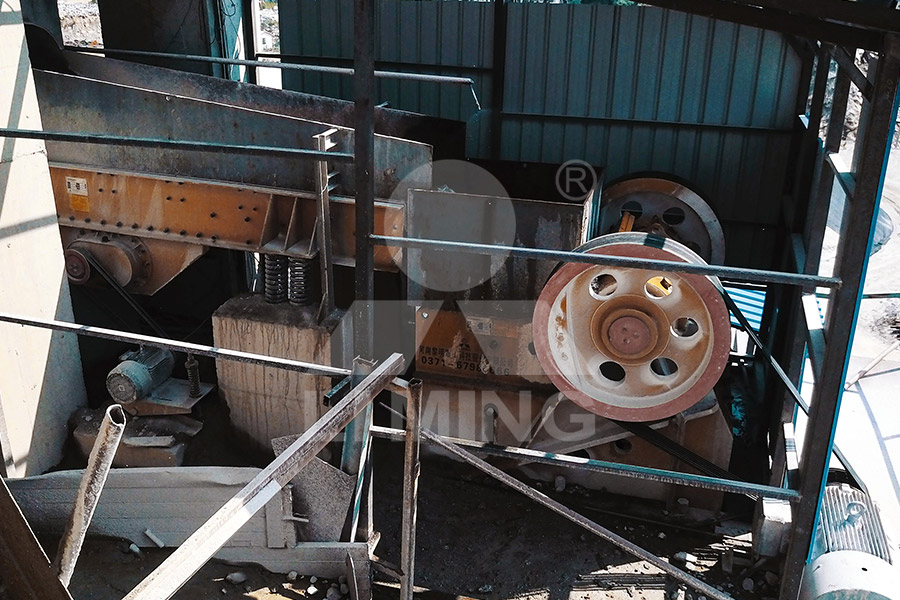
A prominent example of successful implementation is a limestone processing plant in Hidalgo, Mexico. The facility previously operated several traditional Raymond mills to produce 200-mesh calcium carbonate powder for the local paint and plastics industry. Facing high electricity costs and capacity limitations, they replaced two older units with one Raymond Vertical Mill (model VRM-1700) in 2021.
The vertical mill was configured with a high-efficiency centrifugal classifier and hot air system using waste heat from the kiln exhaust. Results after one year of operation included:
- Throughput: Increased from a combined 8 t/h to 12 t/h for similar product fineness.
- Energy Savings: Specific power consumption dropped by about 30%, from 55 kWh/t to approximately 38 kWh/t.
- Product Quality: More consistent particle size distribution due to better control over grinding pressure and classifier speed.
- Space Reduction: The new setup freed up nearly 40% of the original floor space.
This case confirms the vertical mill’s role in modernizing mineral grinding circuits with tangible gains in efficiency and cost.
Frequently Asked Questions (FAQ)
-
What is the maximum feed size for a Raymond Vertical Mill?
Typically, the maximum feed particle size should not exceed 5–7% of the grinding table diameter. For most medium-sized industrial mills (e.g., table diameter ~1.7 m), feed size is kept below 40–50 mm through preliminary crushing. -
Can it handle abrasive materials like quartz or feldspar?
While capable, processing materials with Mohs hardness above 6 (e.g., quartz) accelerates wear on grinding rolls and table liners. Hardfacing or ceramic overlays are recommended for such applications, but overall operating costs may be higher compared to softer minerals..jpg)
-
How does the vertical mill control product fineness?
Fineness is primarily regulated by adjusting the speed of the integrated dynamic classifier (rotary vane separator or turbine). Increasing classifier speed yields finer product by allowing only smaller particles to pass; decreasing it coarsens output. -
Is the system suitable for explosive or flammable materials?
Special inert gas (e.g., nitrogen) can replace hot air as drying medium to prevent dust explosions. Mills can also be equipped with explosion relief valves monitoring systems per ATEX or NFPA standards—a common requirement in coal petcoke grinding. -
What are typical maintenance intervals for major components?
Grinding roller tires and table segments may require refurbishment every 6,000–10,000 hours depending on material abrasiveness。 Seals bearings are inspected annually。 The hydraulic system controlling roller pressure needs routine fluid checks every few months。
The adoption of Raymond Vertical Mills continues growing across industries requiring efficient fine powder production, driven by documented improvements in energy utilization operational integration。