
sand moving conveyor
Sand Moving Conveyors: An Overview
Sand moving conveyors are specialized material handling systems designed to efficiently transport bulk quantities of sand across various distances and elevations. They are fundamental equipment in industries such as construction, mining, foundry, glass manufacturing, and land reclamation. These systems replace labor-intensive and time-consuming methods like manual hauling or truck transport for short to medium distances within a site, significantly enhancing productivity, containment, and cost-effectiveness. The core function is to provide a continuous, controlled flow of material, which is critical for feeding processing plants, filling areas, or loading trucks and ships. This article will explore the common types of conveyors used for sand, their applications through a real-world case study, and address key operational considerations.
Common Types of Conveyors for Sand Handling
The choice of conveyor depends on factors like required capacity, transfer distance, layout space, and the specific properties of the sand (e.g., moisture content). Below is a comparison of the three most prevalent systems: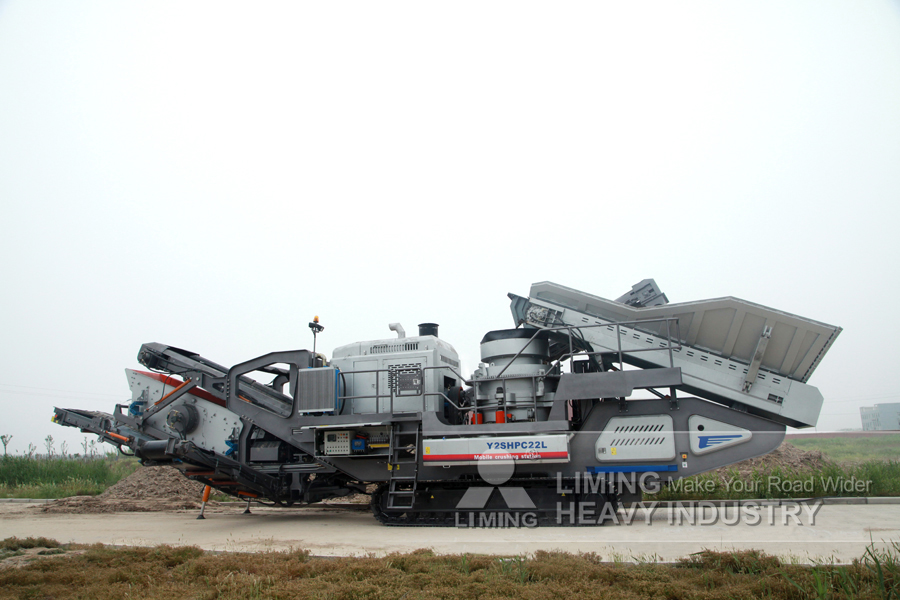
| Feature | Belt Conveyor | Screw (Auger) Conveyor | Bucket Elevator |
|---|---|---|---|
| Primary Use | Horizontal or inclined transport over long distances. | Horizontal, inclined, or vertical transport over short to medium distances. Enclosed design. | Vertical lifting of material over limited horizontal distance. |
| Typical Sand Application | Moving sand from stockpiles to processing plants or loading areas; long-distance transfer in mining. | Feeding sand into mixers (e.g., concrete), controlled filling in foundries, compact transfer lines. | Elevating sand to feed silos, hoppers, or processing equipment located at a significant height. |
| Key Advantages | High capacity (up to thousands of cubic meters per hour), gentle on material (minimal degradation), low power consumption per ton over long runs. | Fully enclosed system minimizes dust and spillage; simple design; can act as a feeder/mixer. | Efficient vertical lift in a small footprint; well-contained material flow. |
| Limitations / Considerations | Requires more space; not ideal for very steep inclines without special belts; exposed to wind/weather unless covered. | Higher wear on abrasive materials like sand; capacity and length are limited compared to belt conveyors; can cause some particle attrition. | Limited horizontal movement; potential for backflow if not properly designed; requires precise loading to avoid bucket damage. |
Real-World Application Case Study: Beach Nourishment Project
A prominent application of large-scale sand moving conveyors is in coastal management and beach nourishment projects.
- Project Context: The "Miami-Dade Beach Nourishment Project" in Florida, USA—a recurring effort managed by the U.S. Army Corps of Engineers—aims to combat erosion by replenishing sand on critically eroded beaches.
- The Challenge: Transporting millions of cubic yards of offshore sand from dredge vessels onto the beach efficiently while minimizing disruption to public access and coastal traffic.
- The Conveyor Solution: Instead of relying solely on trucks or temporary pipelines with high water content, contractors employed extensive floating and land-based belt conveyor systems. A dredge harvested suitable sand from an approved offshore borrow area.
- Process Flow:
- The dredged slurry was pumped to a screening plant on a barge near shore.
- After dewatering and screening out oversized materials (shells, rocks), the processed sand was discharged onto a series of connected floating conveyor belts.
- These floating conveyors extended to the shoreline.
- A land-based conveyor system—often mounted on mats to protect the beach—then transported the dry(er), controlled stream of sand directly along the beachfront.
- Spreaders at the end of the conveyor distributed the sand precisely where needed.
- Outcome: This method proved highly effective by enabling continuous operation with less heavy truck traffic on sensitive dunes and roads (reduced environmental impact). It allowed for more precise placement (improved accuracy) and achieved a much higher daily placement rate than traditional methods (increased efficiency). This case demonstrates how specialized conveyor systems provide an engineered solution for massive earth-moving tasks.
Frequently Asked Questions (FAQ)
-
What type of conveyor belt is best for handling abrasive materials like sand?
For standard belt conveyors,multi-ply fabric belts with abrasion-resistant rubber covers(typically with an MPA rating) are standard.For highly abrasive conditions or heavy impact at loading points,steel cord beltingor belts with reinforced protective layers may be used.The choice depends on lump size,friction,and required belt life. -
How do you control dust when conveying dry sand?
Dust control is critical.Enclosed conveyors like screw conveyors naturally contain dust.For open belt conveyors,solutions include installing full-length covers or hoods,wetting agents at loading points,and local exhaust ventilation (LEV) systems.Dust suppression sprays can be used,but care must be taken not to alter the sand's moisture specification. -
Can standard screw conveyors handle wet or "bank" sand?
Standard screw conveyors struggle with cohesive,wet sands that tend to pack.Wet sand can build up inside the trough,increasing torque requirements dramatically,and may not discharge properly.Specialized designs like larger diameter shafts,paddles instead of flights,and wider tolerances may be required.For very wet materials,a different system like a belt conveyor is often recommended..jpg)
4.What maintenance is most critical for these systems?
For belt conveyors:Regular inspection and cleaning of idlers,pulleys,and scrapers;tracking adjustment;and monitoring belt wear/covers are essential.For screw conveyors:Checking flight wear (especially at the bottom),bearing lubrication,and clearing material buildup are key.For bucket elevators:Inspecting bucket attachment points,belt/chain tension,and alignment prevents catastrophic failure.Material spillage cleanup is vital for all types to prevent excessive wear.
5.What factors determine whether I need a fixed or portable conveyor?
Fixed installations are used for permanent processes requiring high capacity over set paths.Portable radial stackers or mobile conveyors are ideal for temporary sites (like construction projects),stockpile management where discharge points change frequently.They offer flexibility but generally have lower capacity than large fixed systems.The decision hinges on project duration,mobility needs,and capital expenditure versus operational flexibility